



- Home
- >
- Cloud & AI
- >
- Cloud File Storage
- >
Cloud File Storage
2025-12-11 15:31Tencent Cloud File Storage (CFS) is a high-performance shared storage service designed for enterprise users. With core advantages of security, reliability, flexibility, and ease of use, it provides end-to-end support for multi-scenario data sharing and business processing. Cloud File Storage (CFS) deeply integrates with the POSIX Interface and the NFS Protocol, ensuring seamless cross-platform and cross-compute-node access. Whether using Tencent Cloud Servers, container services, or batch computing nodes, they can be quickly mounted for use via standard protocols. Its core feature of Shared Access supports multiple devices and compute nodes across different Availability Zones sharing the same file system without worrying about data synchronization issues, perfectly adapting to team collaboration scenarios. In terms of performance, storage capacity and throughput can elastically scale, increasing linearly with business data growth while ensuring data consistency and low-latency access. This is particularly well-suited for scenarios like Streaming Media Processing which have stringent requirements for large file operations and high throughput. Whether for internal file sharing and collaboration within an enterprise or for high-definition video editing and rendering in streaming media processing, Cloud File Storage (CFS) can help businesses reduce costs, increase efficiency, and simplify IT operations management through the broad compatibility of the NFS Protocol, the standardized adaptation of the POSIX Interface, and the efficient collaboration enabled by Shared Access.
Frequently Asked Questions

Q: How is the Shared Access feature of Tencent Cloud File Storage (CFS) implemented, and what are its core technical supports?
A: The Shared Access feature of Cloud File Storage (CFS) is primarily enabled through the dual technical support of the NFS Protocol and the POSIX Interface. First, the NFS Protocol, as a standard network file sharing protocol, allows multiple compute nodes such as CVMs and containers to remotely mount the same file system. This enables real-time data sharing without requiring additional synchronization operations. Second, compatibility with the POSIX Interface ensures consistent file operation behavior across different operating systems and applications, guaranteeing data consistency during multi-node access. This feature is particularly crucial in Streaming Media Processing scenarios – multiple editing nodes can simultaneously operate on large video files through Shared Access. Leveraging the high-throughput transmission of the NFS Protocol and the standardized adaptation of the POSIX Interface, production efficiency is significantly enhanced. In enterprise file-sharing scenarios, employees can access and edit shared files in real-time from different devices, making collaboration more efficient.
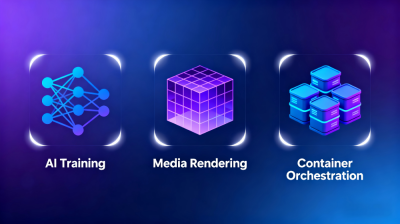
Q: In Streaming Media Processing scenarios, what key roles do the NFS Protocol and POSIX Interface of Tencent Cloud File Storage (CFS) play?
A: In Streaming Media Processing scenarios, these two technologies are core to ensuring efficient business operations. The NFS Protocol provides Cloud File Storage (CFS) with high-throughput file transfer capabilities, meeting the rapid read/write demands of high-definition video and large multimedia files, and preventing editing or rendering delays caused by transmission bottlenecks. The POSIX Interface ensures compatibility between Cloud File Storage (CFS) and various professional audio/video production software, guaranteeing standardized file operations and data consistency. This prevents issues like file corruption or data loss during multi-node collaborative editing. Furthermore, streaming media processing often requires multi-team collaboration. The Shared Access feature of Cloud File Storage (CFS), combined with the cross-node access capability of the NFS Protocol, allows staff from different roles to simultaneously access the file system and work on the same batch of source materials in real-time. Coupled with the standardized operational experience brought by the POSIX Interface, this further shortens project cycles and enhances production efficiency.

Q: What advantages does Tencent Cloud File Storage (CFS) offer in Shared Access and protocol adaptation compared to traditional storage solutions when enterprises choose it for cross-node data management?
A: Compared to traditional storage solutions, Cloud File Storage (CFS) offers significant advantages in these two areas. Regarding Shared Access, traditional storage often requires manual configuration of data synchronization mechanisms and suffers from limited cross-device, cross-region access. In contrast, Cloud File Storage (CFS) supports real-time Shared Access by multiple compute nodes. Devices in different Availability Zones or network environments can use the same file system via mounting, eliminating the need for extra synchronization operations. This is particularly suitable for multi-department collaboration within enterprises or multi-node task distribution in Streaming Media Processing scenarios. In terms of protocol adaptation, Cloud File Storage (CFS) is compatible with both the NFS Protocol and the POSIX Interface. This not only covers the access needs of mainstream servers and containers but also allows seamless adaptation to various business software without requiring extensive modification of existing applications, reducing migration costs. Additionally, the mature stability of the NFS Protocol and the broad compatibility of the POSIX Interface enable Cloud File Storage (CFS) to ensure efficient and reliable data transmission while minimizing system adaptation and compatibility issues, making it a preferred solution for enterprise cross-node data management.