



Cloud Workload Protection Platform
2025-12-12 15:57Host Security (Cloud Workload Protection Platform, CWPP) leverages Tencent Security's vast repository of threat data and utilizes machine learning to provide users with security protection services such as asset management, Trojan file detection and removal, hacker intrusion detection, vulnerability risk warning, and security baseline checks. It addresses the primary network security risks currently faced by servers, helping enterprises build a robust server security protection system. It now supports unified security protection for users' servers outside Tencent Cloud, allowing them to easily share Tencent Cloud's security intelligence, enabling private data centers to enjoy security capabilities equivalent to those in the cloud. Tailored to different business scenarios, Host Security offers dedicated Host Security Solutions, including hacker intrusion behavior detection, security vulnerability emergency response, business asset fingerprint inventory, and security baseline compliance checks. These solutions not only protect servers within Tencent Cloud but also enable unified management of servers outside the cloud, allowing private data centers to experience the same level of security as cloud environments. To help users intuitively experience the protection effectiveness, the platform provides a Host Security Trial. Users can deeply explore the practical value of Host Security Features through the trial, verify the adaptability of the Host Security Solution for their own Cloud Server Security, and accurately prevent potential risks such as ransomware.
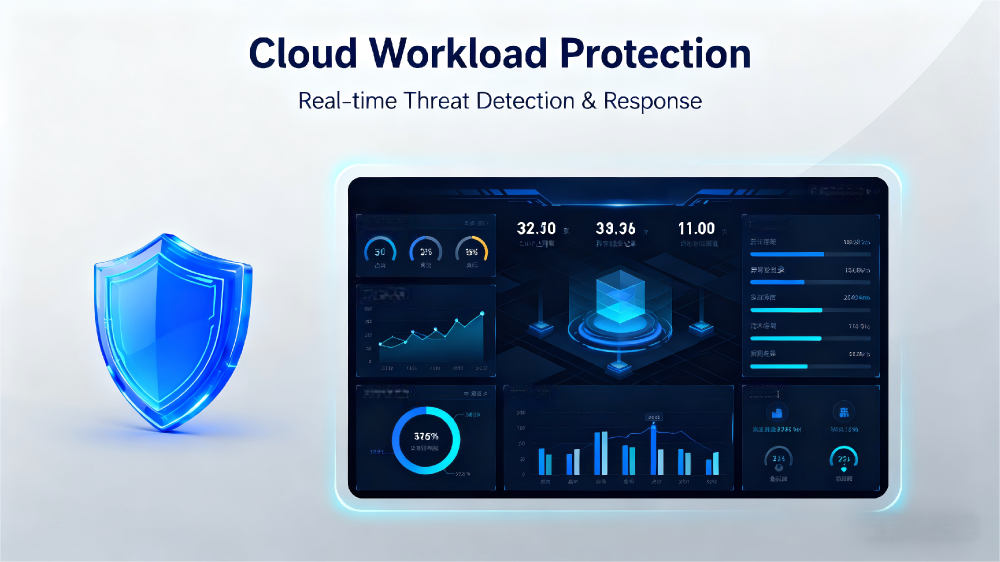
Q: What core modules are specifically included in the Host Security Features, and how do these modules work together to ensure Cloud Server Security and provide Ransomware Protection?
A: The core modules of Host Security Features include asset management, file detection and removal, multi-dimensional intrusion detection, vulnerability detection, security baseline checks, and core file monitoring. Among these, the file detection and removal module is key to Ransomware Protection. Relying on Tencent's tens of billions of malicious sample resources and self-developed AI cloud detection, Webshell, and TAV engines, it can accurately identify and remove Trojan viruses such as cryptocurrency miners and ransomware, directly safeguarding Cloud Server Security. The multi-dimensional intrusion detection module can monitor hacker behaviors such as abnormal logins, password brute-force attacks, and reverse shells. The vulnerability detection module can provide real-time alerts for system and application vulnerabilities along with repair solutions. These Host Security Features work together to build a protection system from multiple dimensions, including attack interception, vulnerability remediation, and behavior monitoring. Simultaneously, these features form the core support for the Host Security Solution. Through the Host Security Trial, users can personally experience the operational workflows and protection effectiveness of each module, further confirming their ability to ensure Cloud Server Security.
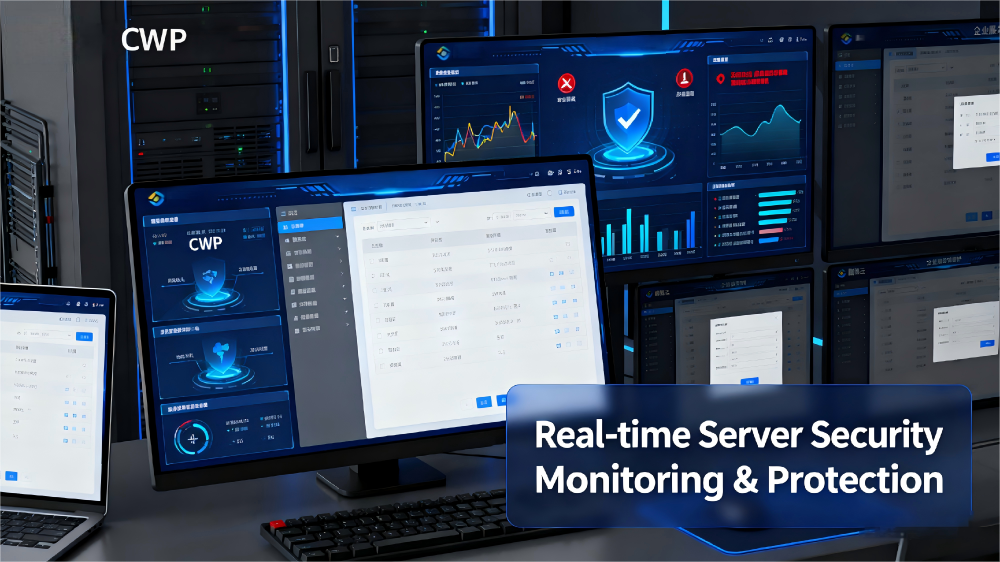
Q: For which typical business scenarios is the Host Security Solution designed, and how does it combine Host Security Features to meet Cloud Server Security requirements and provide Ransomware Protection?
A: The Host Security Solution is designed around four typical scenarios: hacker intrusion behavior detection, security vulnerability emergency response, business asset fingerprint inventory, and security baseline compliance checks. In the hacker intrusion behavior detection scenario, relying on Host Security Features such as multi-dimensional intrusion detection and file detection and removal, it can quickly identify hacker infiltration attempts, promptly warn of risks like data theft or service disruption, while the file detection and removal feature simultaneously provides Ransomware Protection against potential exploitation. In the security vulnerability emergency response scenario, the vulnerability detection feature can immediately assess the impact of new vulnerabilities on Cloud Server Security, providing repair solutions to prevent attacks like ransomware from exploiting these vulnerabilities. The business asset fingerprint inventory and security baseline compliance check scenarios utilize Host Security Features such as asset management and security baseline checks to help enterprises clarify their assets and meet regulatory requirements, indirectly reducing Cloud Server Security risks. Users can leverage the Host Security Trial to test the adaptability of the Host Security Solution for their specific business scenarios and intuitively experience the alignment between features and scenarios.
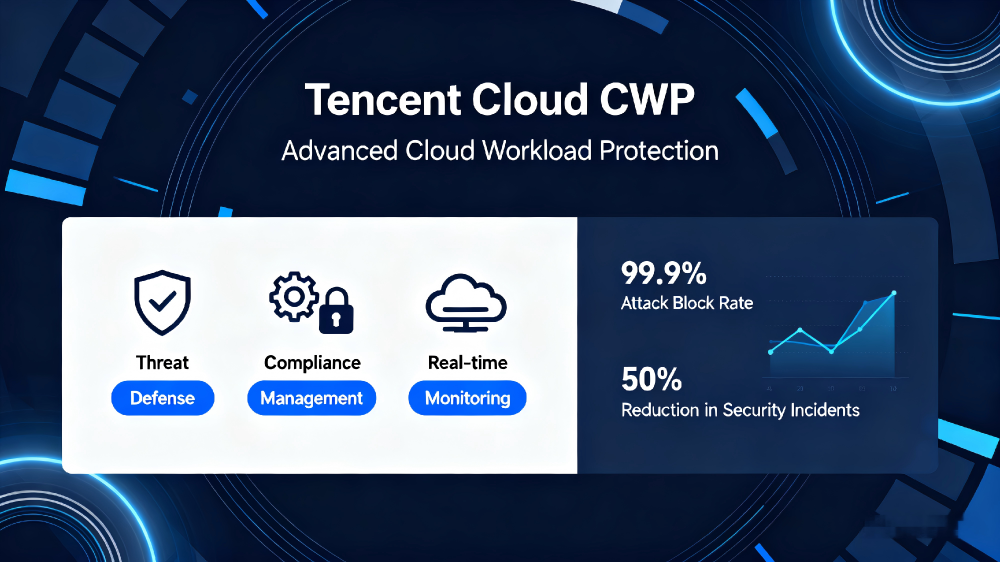
Q: After participating in the Host Security Trial, which core Host Security Features can users experience, and can the trial process verify the effectiveness of the Host Security Solution in protecting Cloud Server Security?