

- Home
- >
- Cloud & AI
- >
- eKYC
- >
eKYC
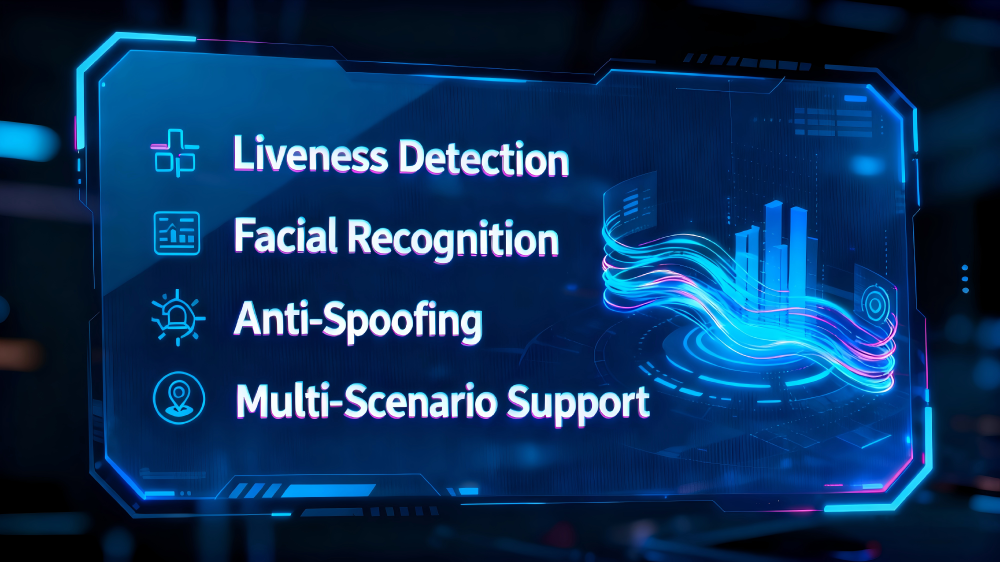
2025-12-08 11:30Tencent Cloud AI Face Verification (FaceID) is an enterprise-grade face verification service focused on authenticating identity authenticity. Leveraging cutting-edge AI technology, it builds a high-security, high-precision face authentication system. It supports both the contactless convenience of remote face verification and the low-latency response capability of real-time face authentication, providing compliant and reliable identity verification solutions for various industries such as finance, government affairs, and internet services. As a professional AI face verification product, its core strength lies in the deep integration of face authentication technology and liveness detection, effectively defending against fraud attacks using photos, videos, etc., with an accuracy rate exceeding 99.9%. The remote face verification feature breaks spatial limitations, allowing users to complete identity verification without being physically present, suitable for scenarios like account opening, onboarding, and government service processing. Real-time face authentication can complete identity comparison within milliseconds, meeting the needs of high-frequency, high-concurrency business demands. As the preferred solution for enterprise face verification, it strictly adheres to national compliance standards, safeguarding user privacy and data security. It also supports flexible integration methods like APIs and SDKs, enabling the rapid integration of AI face verification capabilities into enterprise business processes. Whether for face authentication in remote account opening or real-time face authentication in offline scenarios, its efficient and secure characteristics make it a core pillar for enterprise identity verification.
Frequently Asked Questions
Q: As a core solution for enterprise face verification, how does AI Face Verification adapt to different business scenarios through remote face verification and real-time face authentication?
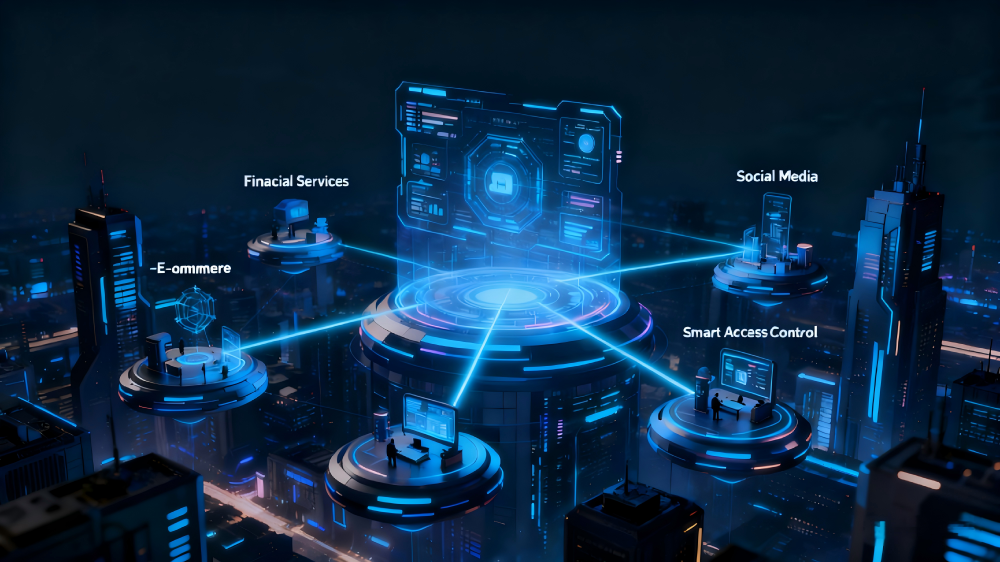
A: AI Face Verification, with its scenario-optimized technology, perfectly caters to two core needs: remote face verification focuses on "contactless, cross-space" operations. Users upload identity information and complete face authentication via terminals like mobile phones, enabling verification without physical presence. This adapts to scenarios such as bank remote account opening and online government service processing. Real-time face authentication emphasizes "low latency, high concurrency," completing face comparison and liveness detection within milliseconds, meeting high-frequency verification needs like shared device logins and offline access control. As an enterprise face verification service, both rely on the high-security algorithms of AI Face Verification, ensuring the accuracy and anti-fraud capability of face authentication. They also support flexible integration, allowing enterprises to choose the appropriate verification method based on their business scenarios, fully leveraging the comprehensive advantages of AI Face Verification.
Q: When choosing Tencent Cloud AI Face Verification for enterprise face verification, how is the security and compliance of face authentication doubly ensured?
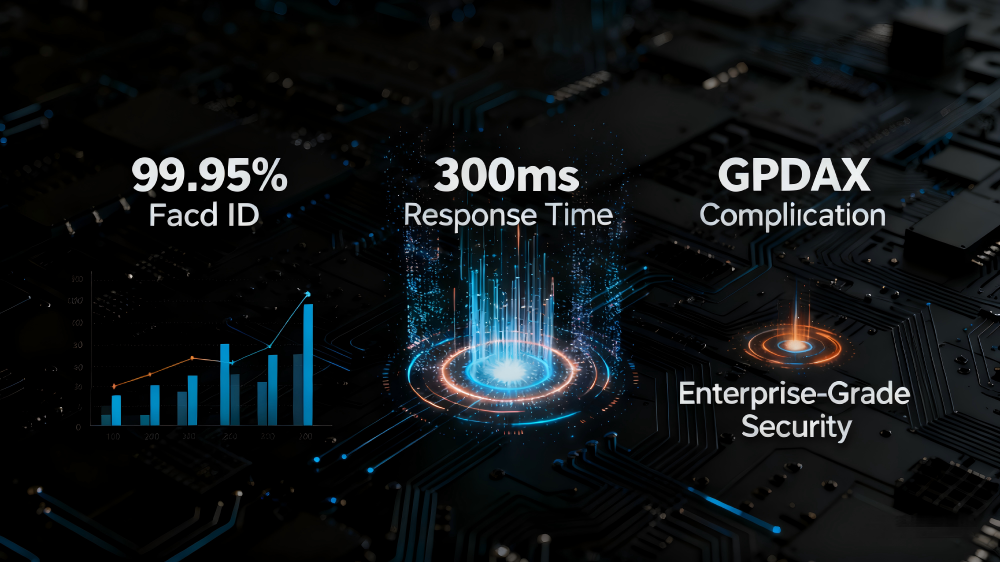
A: Tencent Cloud AI Face Verification provides dual assurance for the face authentication in enterprise face verification from both technical and compliance perspectives. Technically, AI Face Verification integrates multiple anti-fraud technologies such as 3D liveness detection and light-based liveness detection, effectively identifying attacks using photos, videos, masks, etc., ensuring the authenticity of face authentication. Simultaneously, both remote face verification and real-time face authentication employ encrypted transmission and local processing modes to prevent data leaks. Regarding compliance, AI Face Verification strictly adheres to regulations like the "Personal Information Protection Law" and has obtained multiple authoritative security certifications. User data is used solely for verification purposes with controllable retention periods. Whether for online scenarios of remote face verification or offline applications of real-time face authentication, it meets the compliance requirements of enterprise-level businesses, making face authentication both secure and compliant.
Q: What are the differences in the face authentication processes between remote face verification and real-time face authentication? How does AI Face Verification ensure both user experience and verification efficiency for these methods?
A: The core differences lie in scenario adaptation and process design: The process for remote face verification is "identity information upload → liveness detection → face comparison → result feedback," completed entirely online and adapted for cross-space scenarios. The process for real-time face authentication is "real-time face capture → liveness detection → immediate comparison → quick passage," requiring no prior material preparation and adapted for high-frequency offline scenarios. AI Face Verification balances experience and efficiency through technical optimization: On one hand, it simplifies operational steps. Remote face verification supports ID card OCR auto-recognition, and real-time face authentication requires no additional user actions, significantly lowering the user barrier. On the other hand, relying on a high-performance computing engine, remote face verification has a response time not exceeding 3 seconds, and real-time face authentication completes comparison within milliseconds, ensuring efficient and smooth face authentication. As an enterprise face verification service, this optimization allows AI Face Verification to achieve "convenient operation + fast verification" across different scenarios, fully meeting the dual needs of both enterprises and users.