

- Home
- >
- Cloud & AI
- >
- Face Fusion
- >
Face Fusion
2025-12-08 11:15Tencent Cloud AI Face Merging is an intelligent image interaction service built on cutting-edge computer vision technology. Its core relies on AI face merging technology, accurately supporting two key scenarios: face swap and face morphing. Through the Face Merging API and Face Merging SDK, it offers flexible integration methods, providing natural, realistic, efficient, and convenient face merging solutions for areas such as corporate marketing, short video creation, and interactive entertainment. As a mature AI face merging service, its face swap function enables precise alignment of two faces, preserving the scene and posture of the target image, resulting in a seamless fusion effect. Face morphing supports smooth multi-frame transitions, creating a natural evolution from one face to another, suitable for scenarios like creative videos and festival interactions. The Face Merging API supports high-concurrency calls and can be quickly embedded into your own business systems, while the Face Merging SDK offers multi-platform compatibility to meet needs such as offline deployment and deep customization, making AI face merging capabilities easy to implement. Whether for entertaining face swap interactions in brand marketing campaigns or face morphing special effects in content creation, this AI face merging service, with its natural fusion effects and flexible integration methods, can serve as a core driver for business innovation. It also strictly adheres to compliance requirements, ensuring user privacy and security.
Frequently Asked Questions
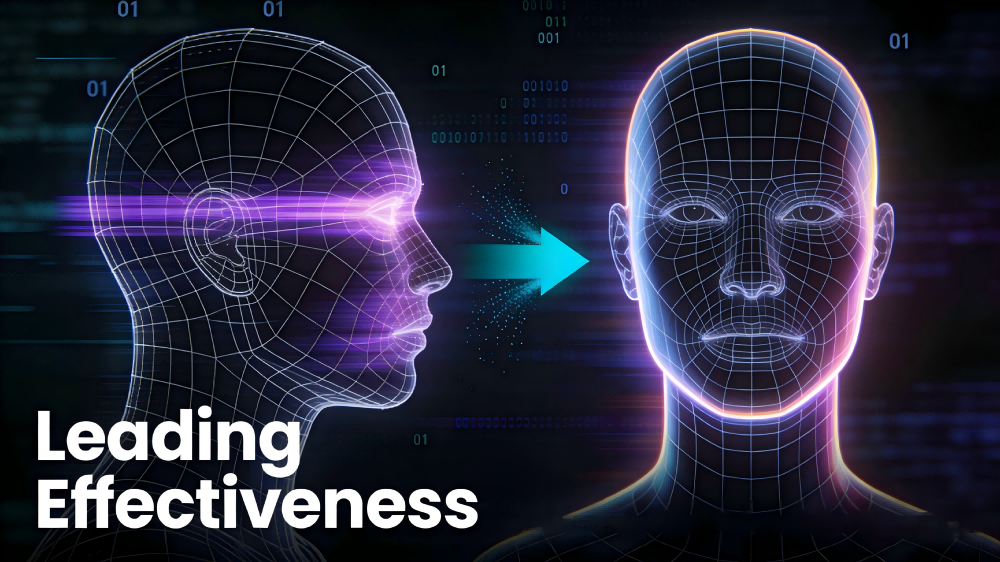
Q: How do the core functions of AI face merging, face swap and face morphing, differentiate to meet the needs of commercial and entertainment scenarios?
A: AI face merging precisely aligns with different needs through scenario-specific optimization of its two functions: face swap focuses on "instant replacement and high fidelity," quickly replacing a user's face with that of a celebrity, cartoon character, etc., perfectly suiting scenarios like brand marketing interactions and social entertainment sharing, allowing users to quickly obtain personalized content. Face morphing, on the other hand, emphasizes "smooth transitions and creative expression," achieving natural facial evolution through progressive multi-frame effects, suitable for scenarios requiring dynamic special effects like creative short videos, holiday greeting videos, and product promotional clips. Meanwhile, the Face Merging API and Face Merging SDK provide full-scenario support for both functions — commercial scenarios can rapidly integrate high-concurrency face swap capabilities via the Face Merging API, while entertainment applications can leverage the Face Merging SDK for offline creation of face morphing effects, fully harnessing the technical advantages of AI face merging.
Q: What are the core differences between the Face Merging API and the Face Merging SDK when enterprises integrate the AI face merging service? Can both support the face swap and face morphing functions?
A: The core differences between the Face Merging API and the Face Merging SDK lie in the integration method and the scenarios they are suited for: the Face Merging API adopts a lightweight calling model, requiring no local deployment and supporting real-time responses to face merging requests, making it suitable for scenarios needing quick launch and high-concurrency processing (e.g., face swap features for online marketing campaigns). The Face Merging SDK, however, provides local deployment capabilities, supporting deep customization development, and is suited for scenarios requiring offline operation and custom special effects (e.g., face morphing plugins for short video apps). Both can fully support the face swap and face morphing functions — the Face Merging API allows calling the cloud computing power for both functions, while the Face Merging SDK can achieve the same effects locally. The underlying AI face merging technology ensures consistency in results across both integration methods, allowing enterprises to flexibly choose based on their business needs.
Q: How does AI face merging ensure the naturalness of effects for both face swap and face morphing? What technical support do the Face Merging API and Face Merging SDK provide?
A: AI face merging ensures effect naturalness through three layers of technology: First, a fusion model trained on massive facial data accurately extracts facial feature points, ensuring that posture, lighting, and shadows align closely with the target image during face swap. Second, intelligent lighting adaptation algorithms dynamically adjust skin tone and brightness according to the scene during face morphing, avoiding harsh transitions. Third, edge refinement processing eliminates the sense of disjointedness at fusion boundaries. These technical advantages are fully realized through the Face Merging API and Face Merging SDK — the cloud computing power of the Face Merging API can quickly process complex fusion algorithms, ensuring real-time performance for both face swap and face morphing. The Face Merging SDK, on the other hand, has a built-in optimization engine, enabling high-quality fusion even in offline environments, so the naturalness of AI face merging is unaffected by the deployment method. Both tools also support parameter customization, allowing further optimization of the detailed effects for face swap and face morphing.