


- Home
- >
- Cloud & AI
- >
- Private DNS
- >
Private DNS
2025-12-12 10:24Private Domain Resolution (Private DNS) is a private domain name resolution management service based on Tencent Cloud's Virtual Private Cloud (VPC) environment. Through this service, you can quickly build a DNS system within one or more customized private networks and conveniently manage Tencent Cloud resources—such as CVM, CLB, CDN, and COS—associated with the VPC using private domain name records. These private domain names cannot be accessed outside the VPC. As a mature core private resolution product, Private Domain Name Resolution leverages DNSPod's decade-plus experience in DNS architecture and only takes effect within the associated Virtual Private Cloud (VPC), making it inaccessible externally. The Virtual Private Cloud (VPC) provides a secure and isolated environment for the resolution service, compatible with various cloud resources such as CVM, CLB, and CDN. Subdomain Recursive Resolution allows queries to redirect to the public internet when no matching private records are found, balancing the needs for dedicated intranet access and public internet access. Intranet Access Hijacking enables custom mappings of resources, returning preset results when accessing private domains within the VPC. Cloud Service Resource Management supports planning hostnames and associating resources with private domain records, making resource management more intuitive and efficient. Whether for resource interactions within a VPC, connecting traditional data centers with cloud resources, or resource switching in high-concurrency scenarios, Private Domain Name Resolution serves as the core support for enterprise intranet domain services, thanks to the security of the Virtual Private Cloud (VPC), the flexibility of Subdomain Recursive Resolution, the controllability of Intranet Access Hijacking, and the convenience of Cloud Service Resource Management. Furthermore, the deep synergy between the Virtual Private Cloud (VPC) and Cloud Service Resource Management significantly expands the application scenarios and enhances the management efficiency of Private Domain Resolution.
Frequently Asked Questions
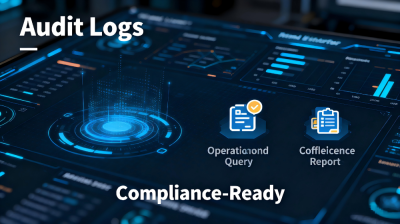
Q: As the core isolation platform, how does the Virtual Private Cloud (VPC) collaborate with Subdomain Recursive Resolution and Cloud Service Resource Management to support the core needs of Private Domain Name Resolution and Intranet Access Hijacking? Where are its technical advantages reflected?
A: With "exclusive isolation + resource adaptability" as its core, the Virtual Private Cloud (VPC) provides foundational support for the two core capabilities, solidifying the service foundation of Private Domain Name Resolution. Firstly, through the logical isolation characteristics of the Virtual Private Cloud (VPC), Private Domain Name Resolution remains visible only to internal resources. Combined with Cloud Service Resource Management, it enables domain associations for resources such as CVM and CLB. Simultaneously, Subdomain Recursive Resolution allows flexible switching between dedicated intranet access and public internet queries, meeting diverse access needs. Secondly, it empowers Intranet Access Hijacking to achieve precise control. The Virtual Private Cloud (VPC) restricts the hijacking scope, triggering preset mappings only for requests accessing private domains within the VPC. Combined with the record configuration of Private Domain Name Resolution, this ensures precise and secure hijacking effects. Cloud Service Resource Management can also synchronously associate hijacked target resources, improving configuration efficiency. The technical advantages are reflected in two aspects: First, "secure isolation + flexible adaptability"—the Virtual Private Cloud (VPC) eliminates external access risks, while Subdomain Recursive Resolution balances dedicated intranet access and public internet access, adapting to complex business scenarios. Second, "efficient management + precise control"—Cloud Service Resource Management makes the association between private domains and resources more intuitive, and Intranet Access Hijacking is restricted within the VPC, avoiding unrelated impacts.

Q: What is the core collaborative value of Cloud Service Resource Management and Intranet Access Hijacking? How can the Virtual Private Cloud (VPC) and Subdomain Recursive Resolution be leveraged to strengthen the competitiveness of Private Domain Name Resolution?
A: Their core collaborative value lies in "resource control + precise access," addressing the pain points of intranet management such as "resource disorganization and uncontrollable access." Cloud Service Resource Management organizes various cloud resources through private domains, making management clearer. Intranet Access Hijacking enables custom mappings, ensuring access within the VPC aligns with business needs. Together, they elevate Private Domain Name Resolution from a "simple resolution tool" to an "intranet resource management platform." Their synergy with the Virtual Private Cloud (VPC) and Subdomain Recursive Resolution significantly enhances competitiveness. The Virtual Private Cloud (VPC) provides a secure and isolated environment for both, ensuring the privacy of Cloud Service Resource Management and the controllable scope of Intranet Access Hijacking. Subdomain Recursive Resolution complements Cloud Service Resource Management with public internet access capabilities—when no corresponding records exist in the private domain, queries can redirect to the public internet, without affecting the dedicated effects of Intranet Access Hijacking. This combination of "resource organization + access control + secure isolation + flexible expansion" enables Private Domain Name Resolution to meet the fine-grained management requirements of enterprise intranet resources while achieving precise control over access behaviors, giving it stronger market competitiveness.
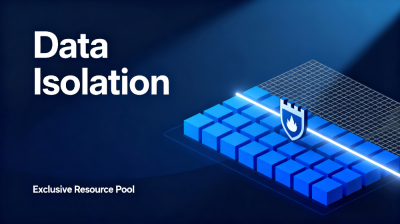
Q: How does Subdomain Recursive Resolution address the pain points of access scalability in Private Domain Name Resolution? What gains does its synergy with Private Domain Name Resolution and the Virtual Private Cloud (VPC) bring to Cloud Service Resource Management and Intranet Access Hijacking?
A: The core value of Subdomain Recursive Resolution lies in "internal and external compatibility + automatic switching," solving the pain points of traditional private resolution such as "only intranet access is available, while public internet needs cannot be met." By enabling this feature, queries within the Virtual Private Cloud (VPC) that do not match private records automatically redirect to public internet recursive queries, balancing dedicated needs with extended access. Its synergy with the two core capabilities brings significant gains to scenario-based services. Working in tandem with Private Domain Name Resolution and the Virtual Private Cloud (VPC), Subdomain Recursive Resolution makes Cloud Service Resource Management more flexible. It allows private domains to manage dedicated intranet resources while enabling public internet queries to access external resources, eliminating the need for additional access channels. For Intranet Access Hijacking, Subdomain Recursive Resolution defines the triggering conditions for hijacking—executing hijacking only when queries match private records and redirecting to the public internet when no match is found. This avoids hijacking impacts on public internet access needs. At the same time, the isolation characteristics of the Virtual Private Cloud (VPC) ensure hijacking effects are limited to the intranet, guaranteeing precise control. This synergy makes Cloud Service Resource Management more comprehensive, Intranet Access Hijacking more precise, and significantly enhances the access scalability of Private Domain Name Resolution.