


Tencent Kubernetes Engine Distributed Cloud Center
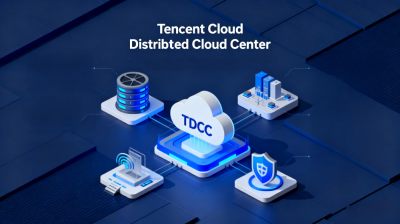
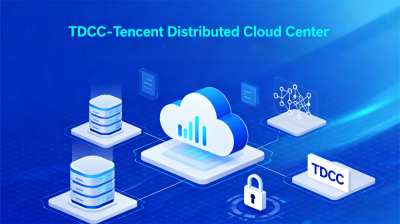
2025-12-12 16:08Tencent Kubernetes Engine Distributed Cloud Center (TDCC) is a Tencent-developed application management platform designed for multi-cloud and multi-cluster scenarios. It enables users to extend cloud-native applications to distributed clouds, providing a unified global perspective for managing and operating distributed cloud resources. This allows businesses to be deployed globally with a single deployment, running seamlessly across various environments. The platform integrates multiple cloud computing forms, including edge availability zones, dedicated availability zones, and on-premises dedicated clusters. It features core characteristics such as unified management, application-centric design, and a consistent cloud-native experience. TDCC offers one-stop access and management for various cluster resources, including public clouds, private clouds, and edge clouds, providing a unified control plane. At the business support level, TDCC is deeply adapted to multi-cloud and multi-cluster architectures, fully supporting the entire lifecycle of Cloud-Native Application Deployment—from application delivery, management, and scheduling to disaster recovery and operations. Additionally, it ensures high availability and disaster recovery capabilities through multi-cluster unified governance, leveraging container technology as the service foundation for distributed environments to efficiently manage Containerized Applications, enabling flexible deployment and scaling across different cloud environments. Whether for unified management of multi-cloud and multi-cluster environments, efficient scheduling of Distributed Cloud Resources, or the deep synergy between cloud-native application deployment, high availability and disaster recovery, and containerized applications, TDCC helps enterprises reduce deployment and maintenance costs while enhancing business agility and reliability.
Frequently Asked Questions
Q: How does Tencent Cloud TDCC achieve unified management of Distributed Cloud Resources in multi-cloud and multi-cluster environments, and how does it support the deployment of Containerized Applications?
A: Tencent Cloud TDCC provides robust unified management capabilities for Distributed Cloud Resources in multi-cloud and multi-cluster scenarios: Without requiring users to build their own operations systems, it enables one-stop access and management of various distributed cloud resources such as clusters, servers, and smart devices via Kubernetes. Whether resources are deployed in public clouds, private clouds, or edge clouds, a consistent control plane is maintained, achieving cloud-network integration and cloud-edge collaboration. This unified management model is critical for the deployment of Containerized Applications: On one hand, centralized management of Distributed Cloud Resources allows containerized applications to flexibly schedule resources across different cloud environments, meeting deployment requirements in multi-cloud and multi-cluster settings. On the other hand, TDCC integrates resources such as images, traffic, and storage in an application-centric manner, covering the entire lifecycle of containerized applications. Combined with one-click multi-cloud automation tools, this makes deploying containerized applications across multi-cloud and multi-cluster environments more efficient and convenient, eliminating repetitive configurations and significantly reducing deployment complexity while ensuring efficient utilization of distributed cloud resources and stable operation of containerized applications.
Q: In the Cloud-Native Application Deployment process, how does Tencent Cloud TDCC's High Availability and Disaster Recovery capability function, and how is it related to multi-cloud and multi-cluster architectures?
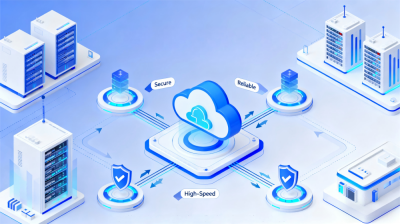
A: Tencent Cloud TDCC's High Availability and Disaster Recovery capability provides critical assurance for Cloud-Native Application Deployment: By implementing unified governance of applications, traffic, and storage across multi-cloud and multi-cluster environments, it overcomes the distance limitations of single-cluster master nodes. Even in the event of site or regional failures, it enables rapid business switching to ensure continuous operation of cloud-native applications, enhancing the fault tolerance and reliability of the entire business system. This capability is deeply intertwined with and mutually supportive of multi-cloud and multi-cluster architectures: Multi-cloud and multi-cluster architectures provide the foundational environment for high availability and disaster recovery, with clusters across different cloud environments and regions forming a distributed deployment pattern to avoid business interruptions caused by single-cluster failures. Meanwhile, the high availability and disaster recovery capability makes cloud-native application deployment more secure, allowing enterprises to confidently deploy cloud-native applications across multi-cloud and multi-cluster environments without worrying about the impact of catastrophic events on business operations. Additionally, TDCC supports defining independent policies and application configurations for different types of clusters, enabling cloud-native applications to be deployed in ways that adapt to differentiated needs while still benefiting from unified high availability and disaster recovery assurance, further highlighting the synergistic value of multi-cloud and multi-cluster architectures and high availability and disaster recovery.
Q: How does Tencent Cloud TDCC help Containerized Applications adapt to multi-cloud and multi-cluster architectures, and what advantages does Cloud-Native Application Deployment offer under the support of Distributed Cloud Resources?
A: Tencent Cloud TDCC helps Containerized Applications adapt to multi-cloud and multi-cluster architectures through several core features: Full compatibility with K8s standard APIs, Helm Charts, and custom CRDs enables containerized applications to seamlessly migrate to multi-cloud and multi-cluster environments without modification. The provided multi-cloud automation tools make it easy to accomplish tasks such as multi-cloud deployment and cross-cloud image migration for containerized applications, reducing adaptation complexity. With the support of Distributed Cloud Resources, Cloud-Native Application Deployment offers significant advantages: Firstly, the extensive coverage of distributed cloud resources allows cloud-native applications to be deployed closer to users and data, reducing latency and improving service quality. Secondly, the elastic scaling capability of distributed cloud resources dynamically matches the resource demands of cloud-native applications. Combined with TDCC's unified management, resource scheduling becomes more precise and efficient. Lastly, the distribution of distributed cloud resources under multi-cloud and multi-cluster architectures, along with TDCC's consistent management capabilities, enables cloud-native application deployment to flexibly meet differentiated needs across regions and cloud service providers. This minimizes vendor lock-in risks while ensuring consistency and stability throughout the deployment process, helping businesses rapidly iterate and expand.